

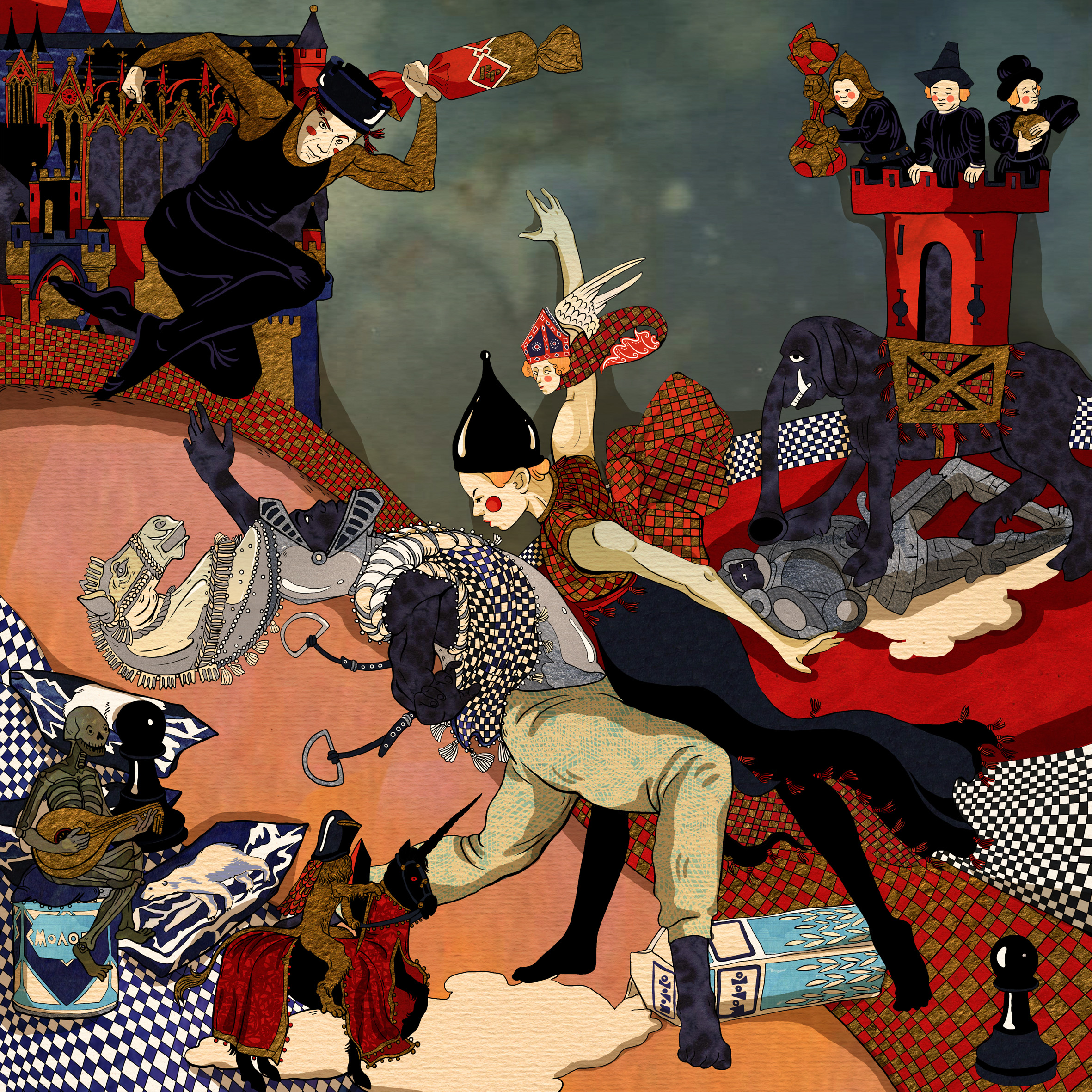
CONCERTO N° 2 POUR PIANO DE RACHMANINOFF
Turin, Italy, 1945
View work

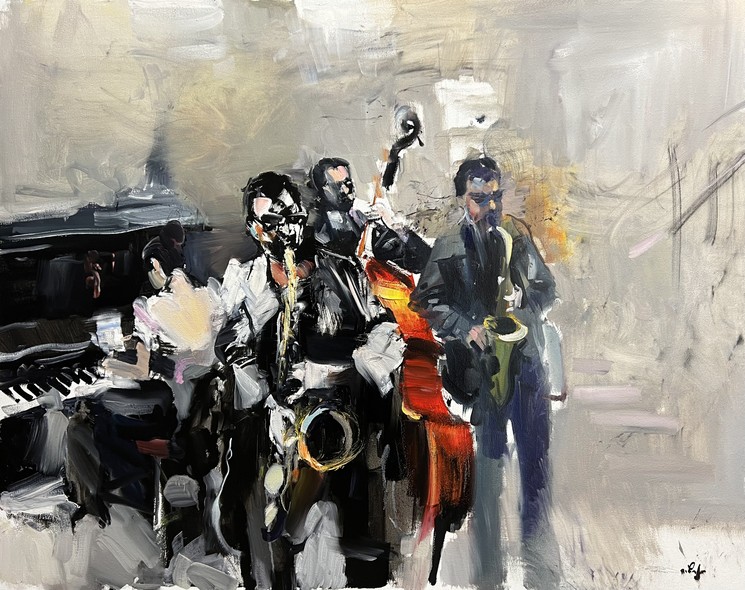

In the heart of a bustling jazz era, amidst smoky clubs and vibrant streets, there emerged a canvas that echoed the soulful rhythms of saxophones. “Sax,” an artwork that transcended mere lines and colors, depicted the essence of a saxophonist lost in the euphoria of music. Created by the skilled hand of an enigmatic artist, this drawing held a story woven within its strokes.
The piece unveiled a world where melodies danced freely, where the saxophonist became a conduit for emotions, breathing life into the night. Each line etched upon the paper was a testament to the passion and dedication of the musician, capturing not just a performance but a journey of artistic expression.
The artist behind “Sax” remained shrouded in mystery, yet their mastery was undeniable. They had a knack for immortalizing moments, freezing them in time with a stroke of charcoal. Through meticulous details, the drawing conveyed not just the musician’s physical presence but also the raw emotion and energy that emanated from every note played.
“Sax” became an emblem of the era, a symbol of artistic brilliance that resonated with aficionados and novices alike. It wasn’t just a depiction of a musician but a portal to an era of cultural revolution and musical innovation. The lines seemed to vibrate with the echoes of jazz, evoking nostalgia for a time when the saxophone reigned supreme.
With its intricate composition and profound narrative, “Sax” transcended the realm of art; it became a storyteller, whispering tales of passion, resilience, and the undying allure of music. Its legacy endured, captivating audiences across generations, inviting them to step into the soul-stirring world where the saxophonist’s melody painted the canvas of the night.
Former collection of Henri Benezit, 1932, Paris
Galerie Louis Carré, 1948, Paris
Louis Carré Gallery, 1950, New York
Private collection, Italy
Galeria Tega, 2010, Milan
Annedia Gallery, 2023, Tbilisi
Pizdec1, Pizdec2, Pizdec3
Louis Carré Gallery, Advancing French Art, Jean, 1991, New York
Maurice Estève, Hans Hartung, André Lanskoy,, 1993, Bazaine
Nicolas de Staël, 1950, cat. Charles Etienne, 2010, Paris
Galla gallery, 2022, Tbilisi
ara1, ara3
Catalogue Raisonné, Editions d’Art Albert Skira, 1994, n° 2157, ill. p. 438
L. J. Slatkes, “Bringing Ter Brugghen and Baburen Up-To-Date”, Bulletin du Musée National de Varsovie, 1996, pp. 204 no. 29, 204–5.
ram1, ram3
by